
Has Social Media Harmed Your Child?
2,300+ Families Have Filed Lawsuits.
Check Your Eligibility Today.
Major social media platforms have been accused of
using design features intended to keep children and
teens engaged for extended periods of time.
Studies and internal investigations have revealed:
Up to 60% report anxiety or depression.
30–40% report cyberbullying or harassment.
Over 50% report sleep or focus problems.
You may have legal options. See if you qualify.

Has Social Media Harmed Your Child?
2,300+ Families Have Filed Lawsuits.
Check Your Eligibility Today.
42 attorneys general filed lawsuits over youth mental health.
Just 3+ hours a day can double a teen’s risk
of anxiety or depression.
Your family may qualify if your child experienced:
Anxiety or depression
Eating disorders
Self-harm or suicidal thoughts
Major behavior changes
Harassment or exploitation
How Social Media
Keeps Kids Scrolling
Lawsuits allege these platforms were designed to keep kids engaged and scrolling. Which enables the algorithms to better track clicks and watch-time to deliver content that is extremely difficult stop consuming.
App features under investigation:
Endless scroll with no stopping point
Auto-play videos and nonstop feeds
Push notifications designed to pull
users back
Emotionally charged content
Personalized feeds based on
behavior tracking
Some experts say these platforms were built to keep kids hooked, much like early cigarettes.
It took years before the public understood
the risks.
If these features caused
serious harm, your family may
qualify for compensation.
How Social Media Keeps Kids Scrolling
Lawsuits allege these platforms were designed to keep kids engaged and scrolling. Which enables the algorithms to better track clicks and watch-time to deliver content that is extremely difficult stop consuming.
App features under investigation:
Endless scroll with no stopping point
Auto-play videos and nonstop feeds
Push notifications designed to pull users back
Emotionally charged content
Personalized feeds based on behavior tracking
Some experts say these platforms were built to keep kids hooked, much like early cigarettes. It took years before the public understood the risks.
If these features caused serious harm, your family may qualify for compensation.
Warning Signs Many Parents Noticed
Many parents saw serious changes after
heavy social media use.
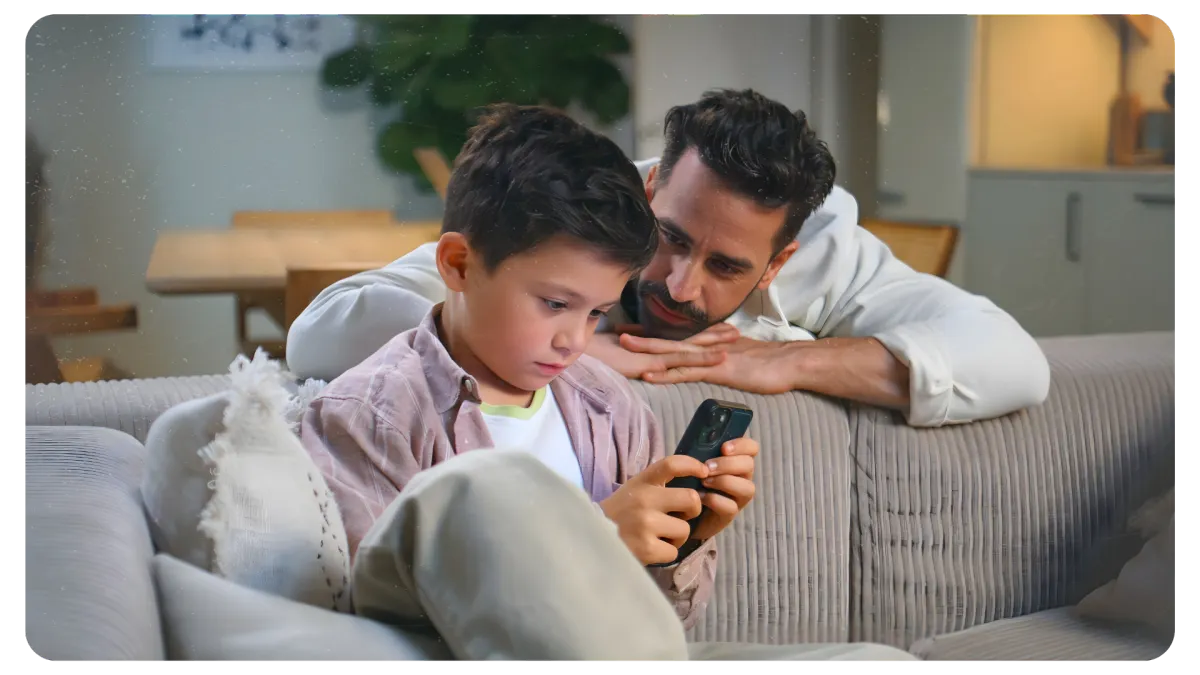
Sudden anxiety, depression, or
mood changes
Withdrawal from family or friends
Compulsive checking of social media
Sleep problems or staying up late
Anger when unable to access social media
Declining grades or trouble concentrating
Self-harm or other serious mental
health concerns
If your child experienced these signs, your family may qualify for compensation.
Warning Signs Many Parents Noticed
Many parents saw serious changes after heavy social media use.
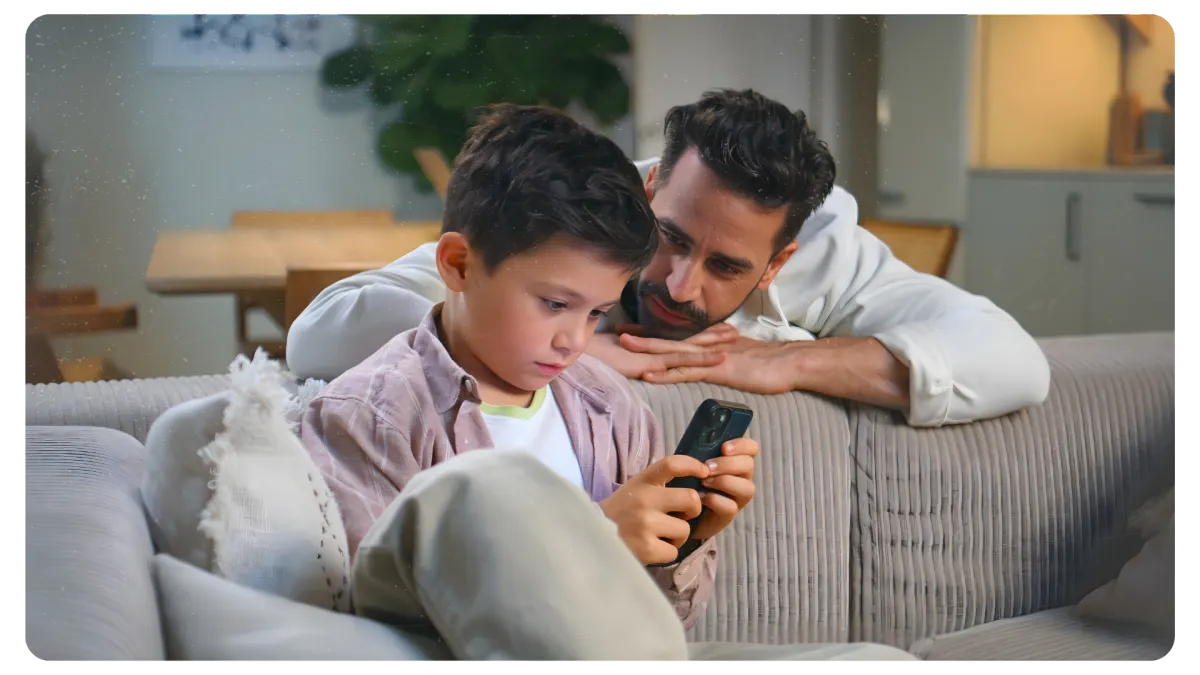
Sudden anxiety, depression, or mood changes
Withdrawal from family or friends
Compulsive checking of social media
Sleep problems or staying up late
Anger when unable to access social media
Declining grades or trouble concentrating
Self-harm or other serious mental health concerns
If your child experienced these signs, your family may qualify for compensation.
Families Across the Country Are Taking Action Now
Families across the country are filing lawsuits against major social media companies.
These lawsuits claim the platforms were designed to increase addictive use while ignoring mental health risks.
Allegations in These Lawsuits:
Addictive design features
Failure to warn families about mental
health risks
Promotion of harmful or emotionally charged content
Algorithms that amplify anxiety, depression, or self-harm
If your child suffered serious harm,
your family may have options.
Families Across the Country
Are Taking Action Now
Families across the country are filing lawsuits against major social media companies.
These lawsuits claim the platforms were designed to increase addictive use while ignoring mental health risks.
Allegations in These Lawsuits:
Addictive design features
Failure to warn families about mental health risks
Promotion of harmful or emotionally charged content
Algorithms that amplify anxiety, depression, or self-harm
If your child suffered serious harm, your family may have options.
See If Your Family Qualifies For Compensation
Anxiety or depression
Self-harm
Hospitalization
Mental health treatment
Severe emotional harm
Trials begin in 2026.
Deadlines may limit new claims.
Free review.
No upfront fees.
No obligation.
See If Your Family Qualifies For Compensation
Anxiety or depression
Self-harm
Hospitalization
Mental health treatment
Severe emotional harm
Trials begin in 2026. Deadlines may limit new claims.
Free review.
No upfront fees.
No obligation.
DISCLAIMER:
This website is for informational purposes only. This is a paid legal advertisement. It does not constitute legal advice, and no attorney-client relationship is formed. The accuracy and completeness of the information cannot be guaranteed. Users should consult with an attorney for advice on their specific legal issues. This information does not constitute medical advice and it should not be relied upon as such. Always consult a doctor before changing any medical regimen. We are not responsible for any actions taken based on the information provided on this site. We strive to help you find information to fight for your rights.
© Litigation Notification 2026 | All Right Reserved Privacy Policy | Terms & Conditions
© Litigation Notification 2026 | All Right Reserved